
Summary:
AI is changing how people search, how content gets discovered, and how SEO is measured. But traditional SEO is still the foundation, and freshers who combine both skill sets will be better prepared for a future-proof digital marketing career in 2026. If you are just starting your career in digital marketing, this is one of the most important questions to understand: Should you learn traditional SEO first, or focus directly on AI-driven SEO? The short answer is simple. Do not treat this as an either-or choice. Traditional SEO still builds the foundation, while AI is now reshaping how that foundation gets used. Search behavior is changing fast, and search engines are giving more space to AI-generated summaries, AI answers, and conversational results. That means freshers need to understand both the old rules and the new ones if they want to stay relevant.
AI vs. Traditional SEO: How Freshers Can Future-Proof Their Digital Marketing Careers in 2026
In 2026, digital marketing careers will not be only about ranking pages on Google. They are also about getting cited in AI answers, appearing in summaries, and building content that is clear enough for both humans and machines to trust.
For freshers, this creates both a challenge and an opportunity. The challenge is that old tactics alone are no longer enough. The opportunity is that people who learn the new search landscape early can stand out quickly in internships, entry-level jobs, freelancing, and even content strategy roles.
What Is Traditional SEO?

Traditional SEO is the process of improving a website so it can rank well in search engines through keyword research, content quality, backlinks, technical health, and on-page optimization. It is still the core system that helps search engines understand what a page is about and why it deserves visibility.
Traditional SEO is not outdated. It is still how websites earn trust, index properly, and compete for search visibility. In fact, AI systems often rely on well-structured, authoritative content that follows strong SEO principles, which means traditional SEO is still doing a lot of the heavy lifting behind the scenes.
Core Elements of Traditional SEO
The main parts of traditional SEO include keyword research, title tags, meta descriptions, internal linking, content quality, page speed, mobile friendliness, and backlink building. These are the basics every fresher should learn first because they teach how search engines actually work.
If you understand how to optimize a page for humans and search crawlers, you already have a major advantage. This skill set is still useful for blogs, landing pages, service pages, and e-commerce content.
Why Traditional SEO Still Matters
Traditional SEO still matters because search engines do not work on guesswork. They need structure, context, clarity, and authority signals to rank content. Even when AI search is involved, those signals still influence what gets surfaced, cited, or summarized.
For a fresher, this means the basics are not optional. They are the starting point for everything else.
How AI Is Changing SEO
AI is changing SEO by making search results more conversational, more personalized, and more answer-focused. Instead of only showing ten blue links, search engines now often show AI-generated overviews, answer blocks, and source summaries. This changes how users behave and how websites get discovered.
At the same time, AI tools are changing how marketers do keyword research, content planning, internal analysis, and reporting. Many teams now use AI to move faster, but the winning results still come from human judgment, subject understanding, and strategic editing.
AI Search, AI Overviews, and Zero-Click Behavior
One of the biggest changes is the rise of zero-click search. Many users now get what they need directly from the search results page without visiting a website. This makes visibility inside AI summaries more important than ever.
This does not mean SEO is dead. It means SEO is expanding. Freshers now need to think not only about ranking, but also about whether content can be quoted, summarized, or cited by AI systems.
How AI Is Changing Content, Research, and Reporting
AI is making content workflows faster. It can help with topic ideas, outline creation, data organization, and content refreshes. But AI can also produce weak, generic content if no human checks it. That is why the best marketers use AI as an assistant, not as a replacement.
For freshers, learning how to prompt, verify, edit, and improve AI-generated output is becoming a valuable job skill. It shows that you can work efficiently while still maintaining quality.
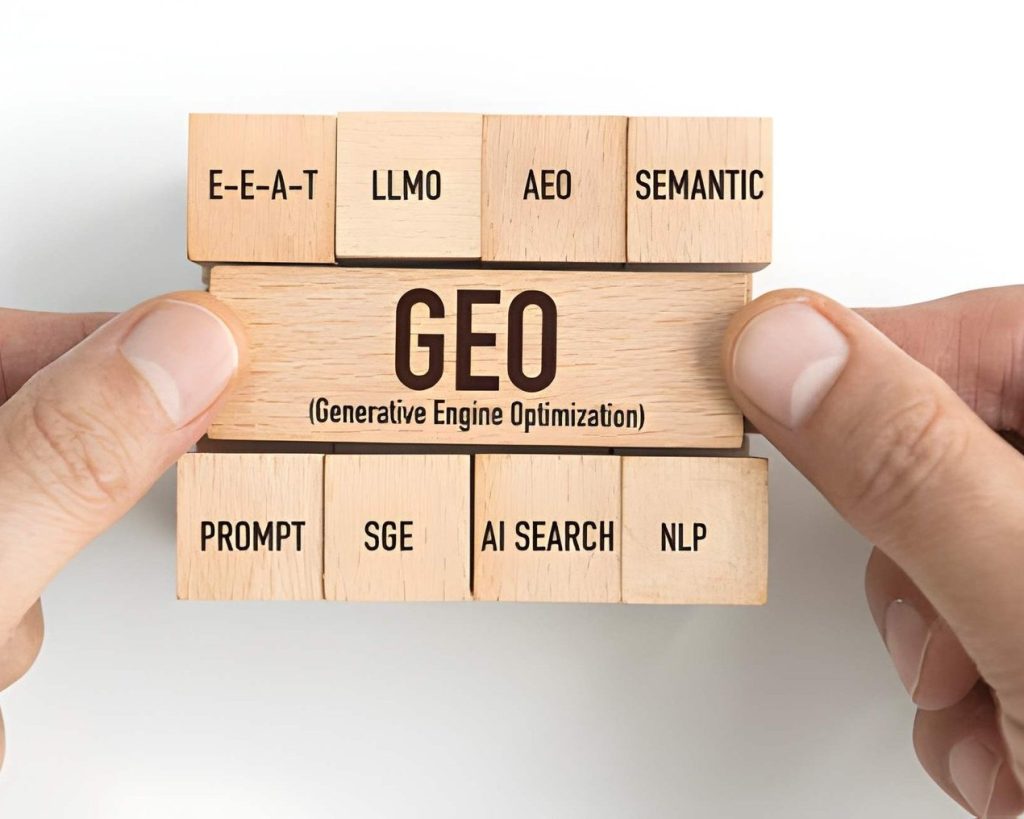
AI SEO vs Traditional SEO: What’s Different?
Traditional SEO focuses on ranking pages for keywords and getting traffic from search engines. AI SEO focuses more on visibility inside AI answers, summaries, and recommendation layers. Both are connected, but they reward slightly different behaviors.
Traditional SEO often measures success through rankings, impressions, clicks, and organic traffic. AI SEO also cares about citations, brand mentions, topical depth, and how well content answers a question in a direct way.
Visibility, Intent, and User Experience
Traditional SEO is usually built around search intent, page relevance, and technical performance. AI systems also care about these things, but they are more likely to reward concise, useful, and well-organized explanations. That means simple writing often performs better than overly complicated wording.
This is good news for freshers. If you can explain things clearly, organize content logically, and add real value, you already have a skill that works well in both SEO models.
Skills Required in Each Approach
Traditional SEO needs skills like keyword mapping, content optimization, link building, and technical audits. AI SEO adds skills like prompt writing, content refinement, AI visibility thinking, and answer-friendly formatting.
The smartest approach is to build both. Learn the SEO foundation first, then layer in AI-related skills so you can adapt as tools and search behavior keep changing.
How to Future-Proof a Digital Marketing Career
If your goal is to build a future-proof digital marketing career, do not focus only on tools. Tools keep changing. Foundations last longer. Employers want people who understand strategy, content, audience behavior, and measurement, not just people who can click buttons in a dashboard.
The fresher who understands both human behavior and AI-driven search will usually have a stronger long-term career path than someone who depends only on one tactic.
Focus on Strategy, Not Just Tools
Learn how to choose the right keywords, structure content, and define goals before worrying about software. Tools like AI writing assistants, SEO platforms, and analytics dashboards are useful, but they should support your strategy, not replace it.
Learn Content, Analytics, and Technical Basics
A future-proof fresher should know how to write useful content, read performance data, and understand basic technical SEO. Even a simple knowledge of indexing, crawlability, and content quality can help you become more useful in an entry-level role.
That mix is especially valuable because many companies now want marketers who can work across content, search, and AI-supported workflows.
Build a Portfolio That Shows Results
Do not wait for your first job to build proof. Create your own blog, run small experiments, optimize sample pages, and document what improved. Employers love clear examples of growth, not just certificates. Even one well-documented project can show that you understand real digital marketing work.
A Practical Career Roadmap for Freshers
Here is a simple roadmap you can follow:
- Learn SEO basics: keywords, on-page optimization, and content structure.
- Practice writing content that answers real user questions clearly.
- Use AI tools to speed up research and outlines, but edit everything manually.
- Learn analytics so you can measure traffic, engagement, and conversions.
- Build 2–3 sample projects for your portfolio.
- Keep learning how AI is changing SEO and search behavior in 2026.
This roadmap is simple, practical, and realistic for freshers who want to grow into confident digital marketers.
Start Learning the Right Way
If you are serious about building a strong digital marketing career, start with the basics and then move into AI-supported SEO. That is the smartest path for freshers who want long-term growth instead of short-term confusion.
At DigiCentrix, our digital marketing course can help you build the practical skills needed for modern marketing roles. If you want guidance on admissions or course details, use our Contact Us page.
FAQ's
AI is changing SEO by reshaping search results into more answer-focused and conversational formats. It is also changing how marketers do research, content planning, and performance tracking. Search visibility now depends not only on rankings, but also on whether content is useful enough to be cited in AI-generated answers.
Freshers should learn traditional SEO first because it teaches the foundations of search, content structure, and optimization. After that, they should add AI skills such as prompt writing, content refinement, and AI-assisted research. This combination creates a stronger and more future-ready skill set.
Yes, traditional SEO is still very useful in 2026. It remains the foundation for indexing, ranking, and content discovery. AI systems still rely on well-structured and authoritative content, which means classic SEO skills are still highly relevant.
Freshers should learn SEO, content writing, analytics, technical basics, prompt writing, and content strategy. They should also practice using AI as a support tool rather than depending on it completely. This mix helps them stay useful as tools and platforms continue to evolve.
A fresher can stand out by building practical projects, learning both SEO and AI workflows, and showing real results in a portfolio. Employers value people who can think clearly, create useful content, and adapt quickly. That is what makes a digital marketing career more future-proof.